
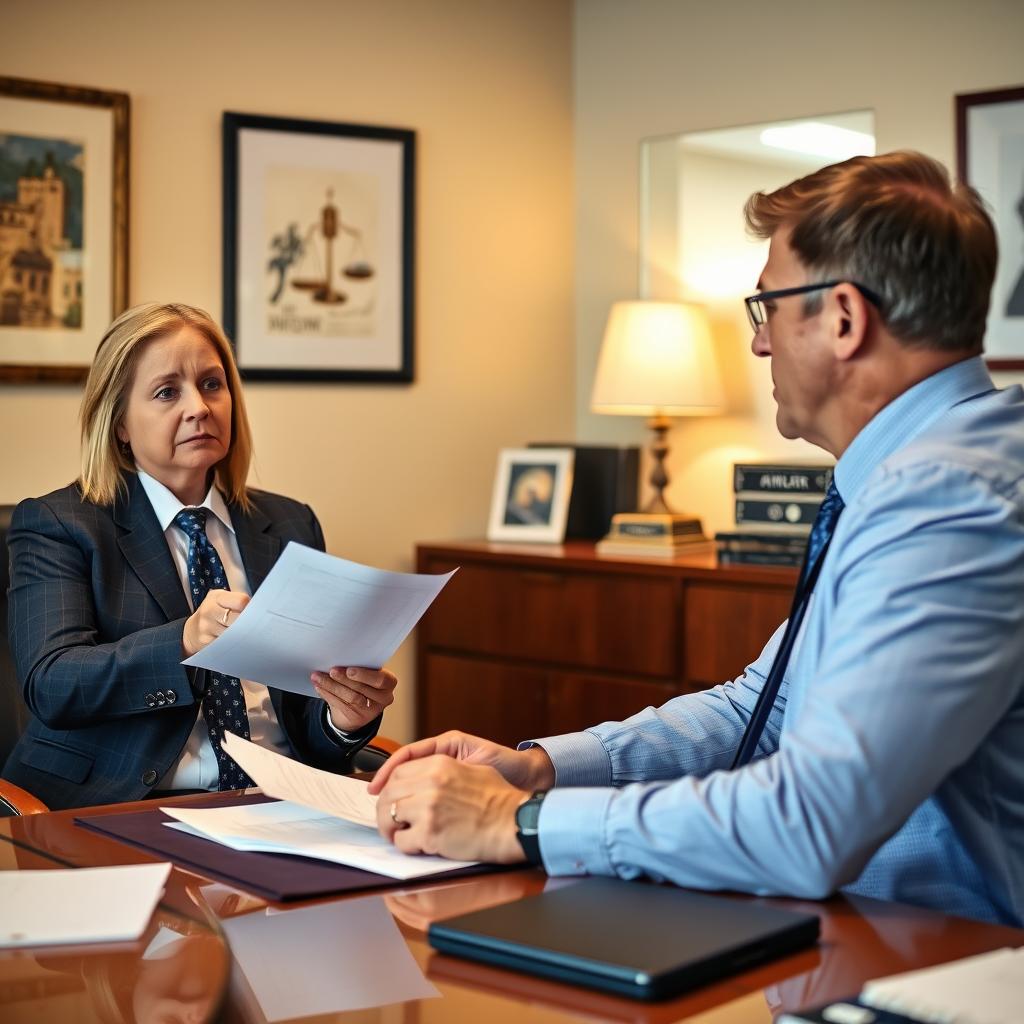
What are the consequences of refusing a breath test in Virginia
Refusing to submit to a breath test after being lawfully arrested for driving under the influence in Virginia carries immediate, severe, and escalating consequences. Under Virginia’s implied consent law, every person who operates a motor vehicle on the Commonwealth’s highways is deemed to have consented to a chemical test of their breath or blood following a DUI arrest. An unreasonable refusal triggers a civil administrative penalty—a one-year driver’s license suspension—even if the underlying DUI charge is ultimately dismissed. The consequences grow harsher with each subsequent refusal: a second refusal within ten years is a Class 2 misdemeanor, and a third refusal is a Class 1 misdemeanor punishable by up to twelve months in jail, a fine of up to $2,500, and a permanent criminal record. A refusal also affects the DUI prosecution itself: the fact of refusal is admissible as evidence of consciousness of guilt, and the Commonwealth’s Attorney may argue it to the judge or jury. If you are facing a breath test refusal charge, experienced counsel can examine the stop, the arrest, and the warnings given to determine whether the refusal was legally unreasonable. Reach Law Offices Of SRIS, P.C. at (888) 437-7747. Law Offices Of SRIS, P.C. – Advocacy Without Borders.
How Virginia’s implied consent law works
Virginia Code § 18.2-268.3 establishes that any person arrested for a violation of § 18.2-266 (driving while intoxicated) is deemed to have given implied consent to a breath or blood test. After the arrest, the law‑enforcement officer must advise the person of the consequences of refusing the test. If the person then refuses to take the test, the refusal triggers an automatic administrative license suspension independent of any criminal prosecution. The suspension is mandatory: once the magistrate or judge finds probable cause that the arrest was lawful and the refusal unreasonable, a one‑year suspension is imposed. The driver may challenge the suspension at an administrative hearing, but the grounds are limited to whether the arrest was lawful, the person was properly advised, and the refusal was unreasonable.
The refusal is recorded on the person’s driving record and is reported to the Virginia Department of Motor Vehicles. Because the suspension is administrative, it begins immediately after the hearing, separately from any court‑ordered suspension that might result from a conviction on the underlying DUI charge. That means a person who refuses a breath test can end up with two separate license suspensions running concurrently or consecutively. For commercial drivers, the consequences are even more severe: a refusal triggers a disqualification of the commercial driver’s license under § 46.2-341.18, often resulting in the loss of the ability to earn a livelihood.
Criminal penalties for repeat refusals
A first refusal is a civil matter, but the law treats repeat refusals as criminal offenses. Under § 18.2-268.3(B), an unreasonable refusal is a Class 2 misdemeanor if the person has been convicted of a prior unreasonable refusal within the preceding ten years. A Class 2 misdemeanor carries a maximum penalty of six months in jail and a fine. A third or subsequent refusal within ten years is a Class 1 misdemeanor, the most serious level of misdemeanor in Virginia, punishable by up to twelve months in jail and a fine of up to $2,500. Each refusal conviction also adds six demerit points to the person’s driving record and remains on the record for eleven years.
When a refusal becomes a criminal charge, the prosecution must prove beyond a reasonable doubt that the person was lawfully arrested, that the officer advised the person of the implied‑consent consequences, and that the refusal was unreasonable. Experienced Virginia traffic counsel at Law Offices Of SRIS, P.C. can challenge the lawfulness of the stop, the adequacy of the advice, and the reasonableness of the refusal in light of the circumstances.
Frequently Asked Questions
What are the penalties for a first breath test refusal in Virginia?
A first refusal is a civil violation that results in a mandatory one‑year license suspension. The suspension is administrative and separate from any court‑imposed penalty for the underlying DUI charge. After a hearing, the magistrate or judge may impose the suspension; if the person wins the hearing, the suspension may not be imposed. However, the refusal itself will still be noted on the driving record and can be used as evidence in the DUI case.
Can a breath test refusal be used against me in a Virginia DUI trial?
Yes, the fact that you refused a breath test is admissible in a DUI trial as evidence of consciousness of guilt. The prosecutor may argue that a reasonable person would not refuse the test unless they believed they were intoxicated. An experienced defense attorney can counter this by showing that the refusal resulted from confusion, language barriers, or a physical inability to provide a sample, rather than an intent to conceal intoxication.
How long does a license suspension last for a refusal?
A civil refusal suspension lasts for one year, but a criminal refusal conviction can extend the suspension, and prior DUI convictions may trigger longer revocation periods. If the refusal leads to a misdemeanor conviction, the court may impose additional license suspension. In some cases, especially for repeat offenders, the DMV may treat the refusal as a major offense triggering a separate revocation.
What happens if I refused a breath test but was not convicted of DUI?
Even if you are acquitted of the DUI charge, the administrative refusal suspension remains in place and your license is still suspended for one year. The refusal case is separate from the DUI case. Winning the DUI trial does not automatically reinstate your driving privileges. You must still challenge the refusal at the administrative hearing and, if unsuccessful, serve out the suspension or seek a restricted license.
Can I get a restricted license after a refusal suspension?
Depending on your driving record and circumstances, you may be eligible for a restricted license after a refusal suspension, but eligibility is limited. A first refusal that results in a civil suspension may allow a restricted license after a period of hard suspension, provided you meet certain conditions such as installing an ignition interlock device or enrolling in VASAP. Consult with an attorney to understand your specific options.
Does a refusal count as a prior offense for future DUI enhancements?
A refusal is not a DUI conviction, but it counts as a prior refusal offense for purposes of charging a subsequent refusal as a misdemeanor. If you refuse a test and later are convicted of DUI, that DUI conviction will count as a prior offense for DUI sentencing enhancements. The refusal itself, however, does not act as a DUI prior for enhancing a future DUI sentence.
What is the legal definition of an unreasonable refusal?
An unreasonable refusal is one that is not justified by a legitimate physical or mental inability to submit to the test after being properly advised. If a person is unconscious or physically incapable of providing a breath sample, the refusal may be deemed reasonable. The officer must have informed the person of the consequences, and the person’s response must be unequivocal. Case law also recognizes that a person who initially consents but becomes unable to complete the test may not be considered a refuser.
How can a Virginia traffic lawyer challenge a refusal charge?
An attorney can challenge the lawfulness of the traffic stop, the existence of probable cause for the DUI arrest, the sufficiency of the implied‑consent warning, and the reasonableness of the refusal. For example, if the officer did not have reasonable suspicion to stop the vehicle, the entire arrest is invalid and the refusal should be dismissed. Quality representation also examines whether the officer properly asked for a breath test and whether the driver had a legitimate reason for being unable to provide a sample.
What are the consequences of a refusal for an out‑of‑state driver?
Out‑of‑state drivers are subject to the same Virginia refusal penalties, and the suspension is reported to their home state under the Interstate Driver’s License Compact. Most states will honor Virginia’s suspension and impose a suspension in the driver’s home state. This can create a compounding problem where a single refusal leads to license problems in two jurisdictions. Retaining counsel who understands multi‑state driver issues is essential.
Do I need a lawyer for a breath test refusal in Virginia?
While you are not required to have an attorney, retaining one is strongly advisable because a refusal can result in a year‑long suspension, a criminal record, and serious consequences that burden your career and daily life. A knowledgeable Virginia traffic attorney can protect your driving privileges, contest the suspension, and defend you against any related DUI charges. Reach Law Offices Of SRIS, P.C. at (888) 437-7747 to schedule a consultation.
Can a first‑refusal suspension be appealed?
Yes, you may appeal the administrative suspension by requesting a hearing before a magistrate or within the general district court. The appeal must be filed within the time limits set by the court. At the hearing, your attorney can argue that the arrest was not lawful, that the refusal was reasonable, or that the officer failed to properly advise you of the consequences.
How does a refusal affect a commercial driver’s license?
A refusal triggers a one‑year disqualification of a commercial driver’s license for the first offense and a lifetime disqualification for a second offense. Under Virginia Code § 46.2-341.18, a CDL holder who refuses a chemical test is subject to an immediate out‑of‑service order and a mandatory disqualification, even if the refusal was a civil first offense. The loss of a CDL can end a career, so urgent legal action is critical.
About Mr. Sris and His Of Counsel Team
Mr. Sris, Owner and Founder of Law Offices Of SRIS, P.C., has practiced law since 1997 and is admitted in Virginia, Maryland, the District of Columbia, New Jersey, and New York. He is a former prosecutor who now represents individuals facing DUI, refusal, and other traffic charges. Mr. Sris and his Of Counsel team bring extensive collective experience defending clients in Virginia courts. When appropriate, the firm consults with accident reconstruction attorneys and medical professionals to build a thorough defense. If you have been charged with refusing a breath test, reach Law Offices Of SRIS, P.C. at (888) 437-7747 to discuss your matter.
Virginia traffic defense
Fairfax County traffic lawyer
Fairfax City traffic attorney
Prince William County reckless driving lawyer
Attorney advertising. Prior results do not guarantee a similar outcome.
Results may vary. Reach Law Offices Of SRIS, P.C. at (888) 437-7747 to schedule a consultation. By appointment only.
Case results depend on a variety of factors unique to each case.